News
The IDRM researcher translating science from lab bench to business plan
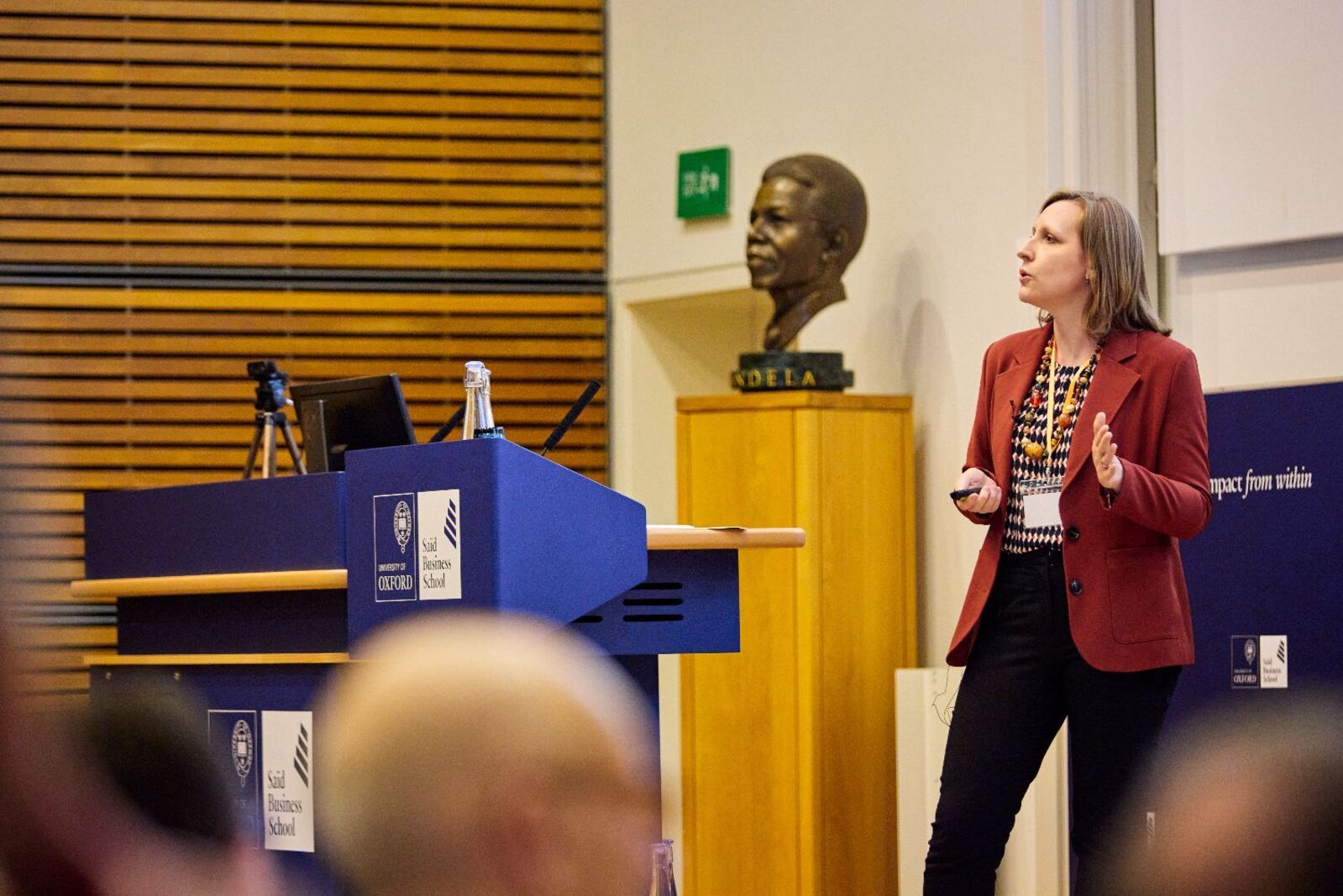
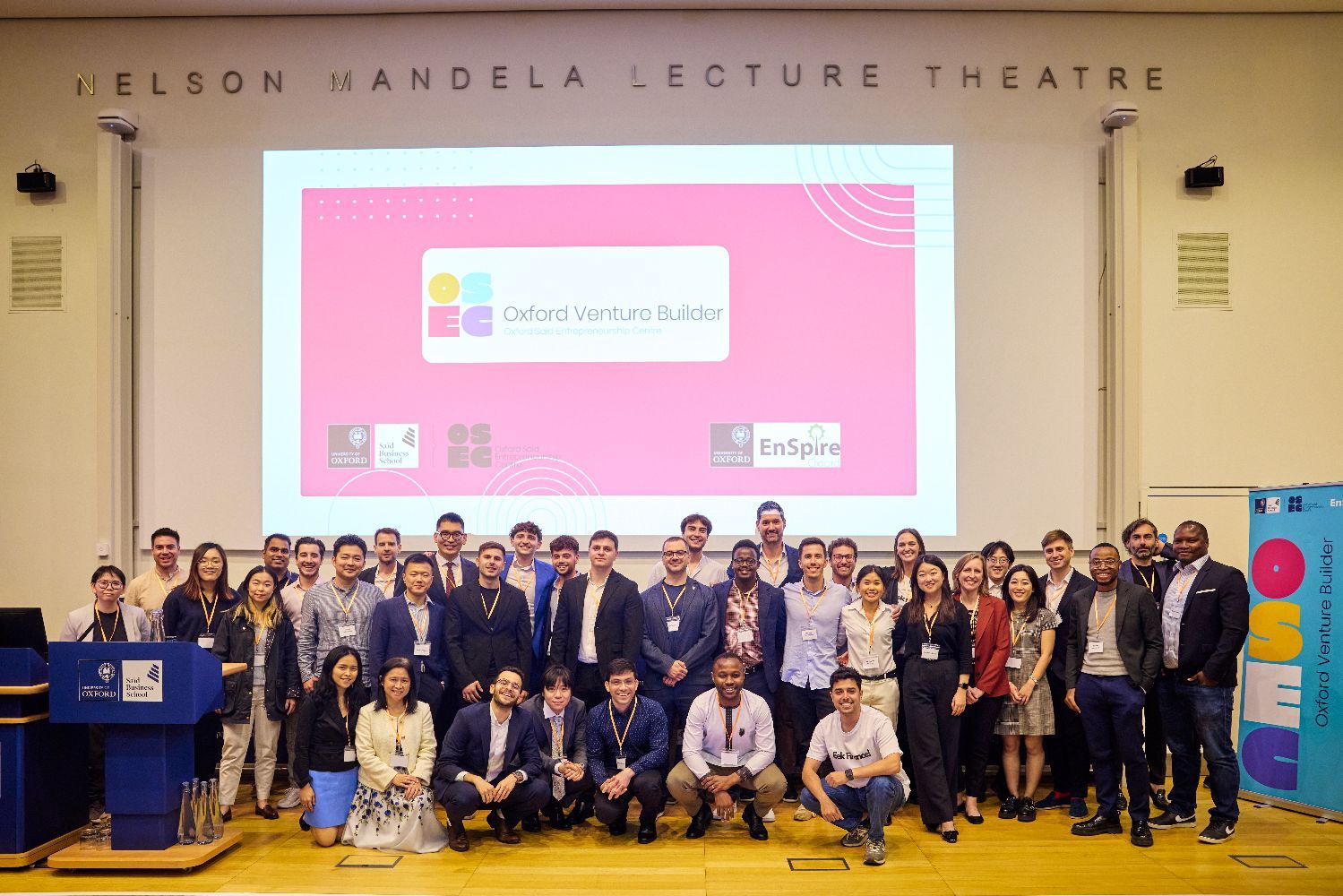
Earlier this year, Dr Sophie Payne, a postdoctoral researcher in the De Val group at the Institute of Developmental & Regenerative Medicine (IDRM) and the Department of Physiology, Anatomy and Genetics, took part in the Oxford Venture Builder programme, organised by Saïd Business School, to explore the potential of turning her research into a viable therapeutic venture.
We spoke to Dr Sophie Payne about what motivated her to take part, how the programme changed her perspective, and where she plans to take her venture next.
What inspired you to apply for the Oxford Venture Builder programme?
Dr Sophie Payne: "I’ve been working as a postdoc for ten years now, with much of my focus in that time also taken up with looking after my young family, so I really wanted to try something new that took me out of my comfort zone.
I had been thinking about ideas for a translational project but knew nothing about what is involved in commercialising an idea or developing a business plan. The Oxford Venture Builder (OVB) felt like a perfect opportunity to explore this, as there was no requirement for any previous business or entrepreneurial experience."
Can you tell us more about the science behind your idea?
"My research has focused on using enhancers, regulatory sequences within the genome that direct gene expression in a cell-specific manner, to better understand transcriptional pathways in endothelial cells. I knew that one of the major challenges with gene therapies is getting sufficient gene expression to the correct cell type, whilst avoiding off-target effects.
After several iterations, my aim now is to develop a synthetic gene therapy that will deliver an enhancer-regulated gene to activated endothelium at sites of inflammation, in autoimmune disease or other inflammatory conditions such as kidney transplant rejection, to switch the endothelial cells from a pro-inflammatory to an anti-inflammatory state.
This modification of the blood vessels should reduce the trafficking of immune cells to the inflamed tissue, relieving symptoms whilst not having a broader immunosuppressive effect."
How did the programme help you shape the commercial potential of your research?
"OVB completely changed the way I thought about my translational project. Before taking part in the programme, I was really focused on the science and technology ideas I had for developing a new therapeutic, and whilst this is of course important, it is only a small part of what will make an idea commercially viable!
After attending the bootcamp weekend and weekly sessions, I had a much better understanding of how I need to think about defining my value proposition, the problem I am solving, market opportunities, customer needs and pain points, competitors, and how to communicate this all to investors.
This has helped me focus more on the bigger picture and where my therapy could fit into the current landscape of both autoimmune treatment pathways and the gene therapy field."
What was it like to pitch your idea at the final event?
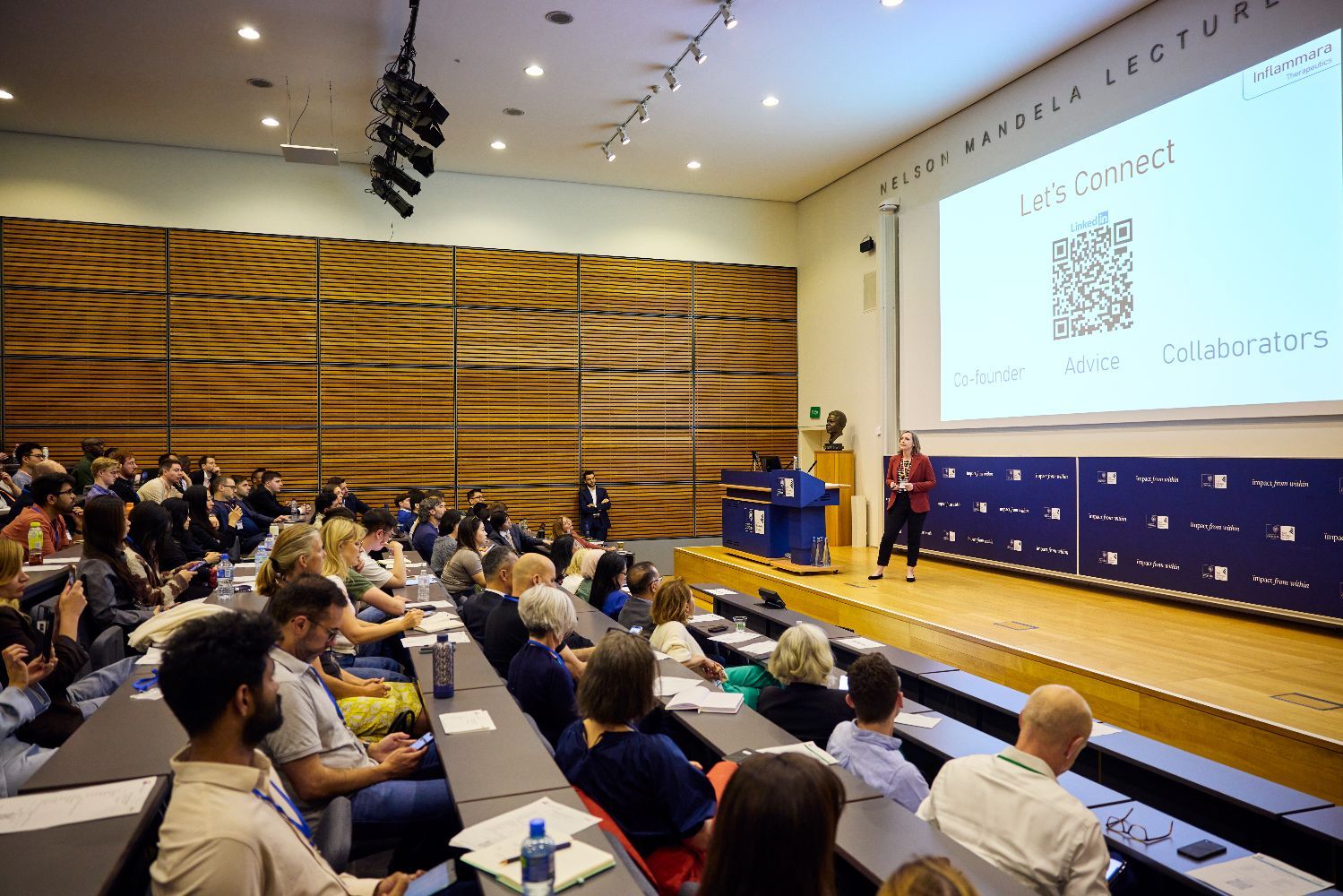
"Pitch night was exhilarating and terrifying in equal measure! We only had 4 minutes to present our pitches, so I had practised a lot to get the timing right, but the nerves were still there just before starting, especially knowing there were so many investors and mentors in the audience. However, once I was up on stage, I really enjoyed myself, and getting lots of positive feedback afterwards really helped me feel more confident in my venture.
I think the most valuable takeaway came from developing my pitch for a lay audience and making sure I was communicating it clearly. Pitching to a non-specialist audience really forces you to break down complex ideas into simple concepts, which also helps with defining what the problem is, how I want to solve it, and what makes my approach unique."
What are your next steps for developing the science and venture?
"At the moment, I have a really clear idea about how the therapeutic could work, but I need to get proof of concept data to take it further. I am therefore applying for pump prime grants in order to be able to start collecting data, concentrating first on identifying and optimising a human endothelial-specific enhancer active in the adult, and in testing the gene overexpression in a model of rheumatoid arthritis. I hope to then secure a larger translational award or fellowship to further develop this therapy.
I am also keen to continue learning as much as possible, so I recently took part in the BHF-Panacea CardioStars programme, and I have a place on the upcoming Ideas 2 Impact innovation and enterprise skills initiative at the Saïd Business School, which is specifically for researchers in the Medical Sciences Division."
How did the collaborative environment and support from course mentors and peers influence your experience?
"One of the best aspects of the programme was meeting the other teams, who all came from different backgrounds and career stages across the university. It was really inspiring to hear about the different ventures they were working on.
The environment was also incredibly supportive and open – although there were a number of people studying for MBA degrees or with other business backgrounds, it didn’t feel like there was such a thing as a stupid question, and everyone was learning from each other. The mentoring was also incredibly valuable in preparing my pitch and making it as engaging as possible."
What advice would you give to other researchers interested in bridging the gap between academic science and entrepreneurship?
"I would encourage anyone thinking about translating their research or entrepreneurship to give it a go! There are many resources available through the University that I wasn’t even aware of, from programmes such as the Oxford Venture Builder to online entrepreneurship modules, pitching events such as 'Started In Oxford', and networking sessions.
Signing up to newsletters from the Oxford Saïd Entrepreneurship Centre or following them on social media is a great way to hear about what is going on, along with the Translational Research Office and Oxford University Innovations.
It can be daunting, but I have found everyone involved to be very open, welcoming, and keen to give advice or signpost to other resources wherever possible."