News
Developing the next generation of research leaders at IDRM

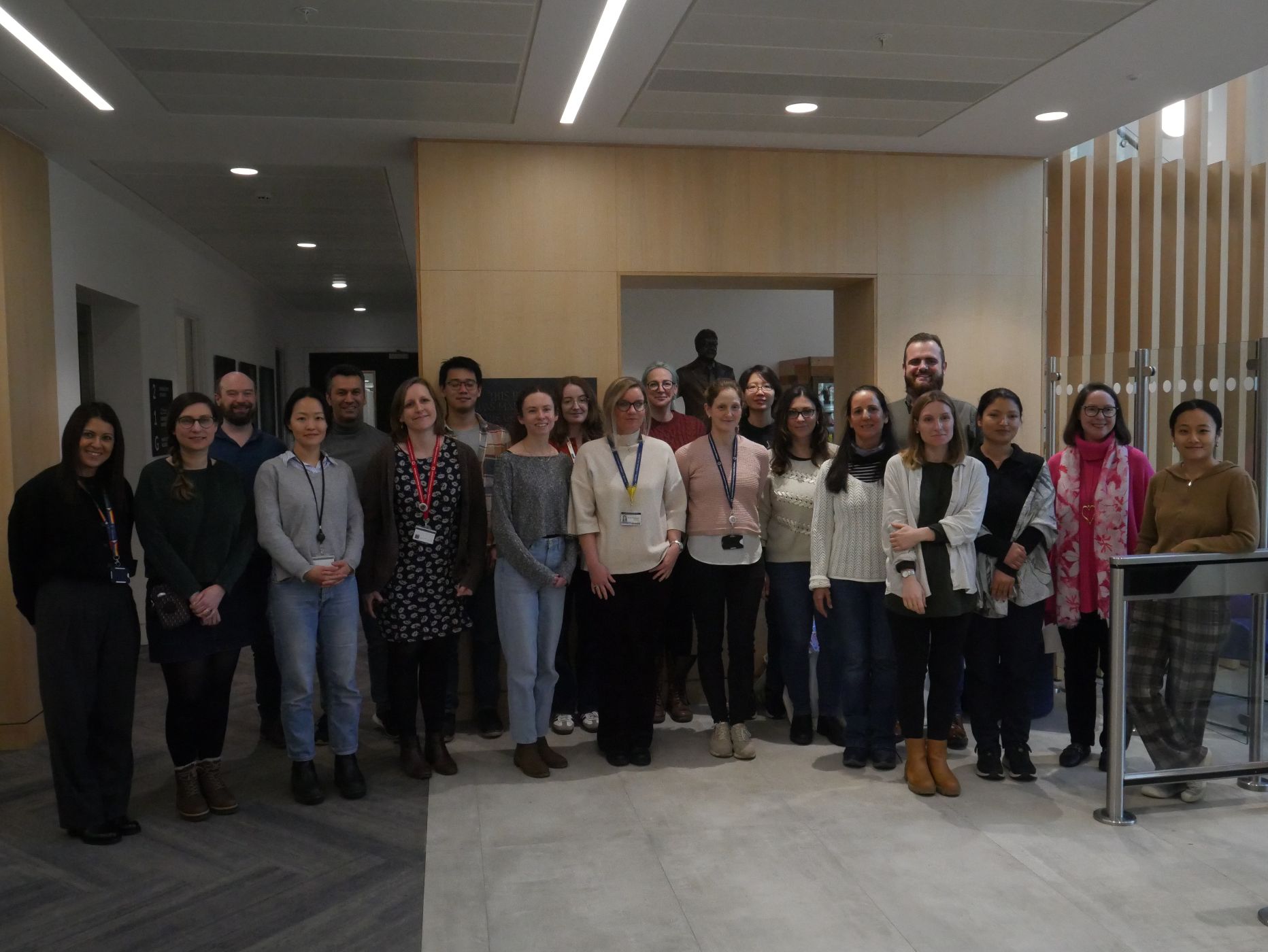
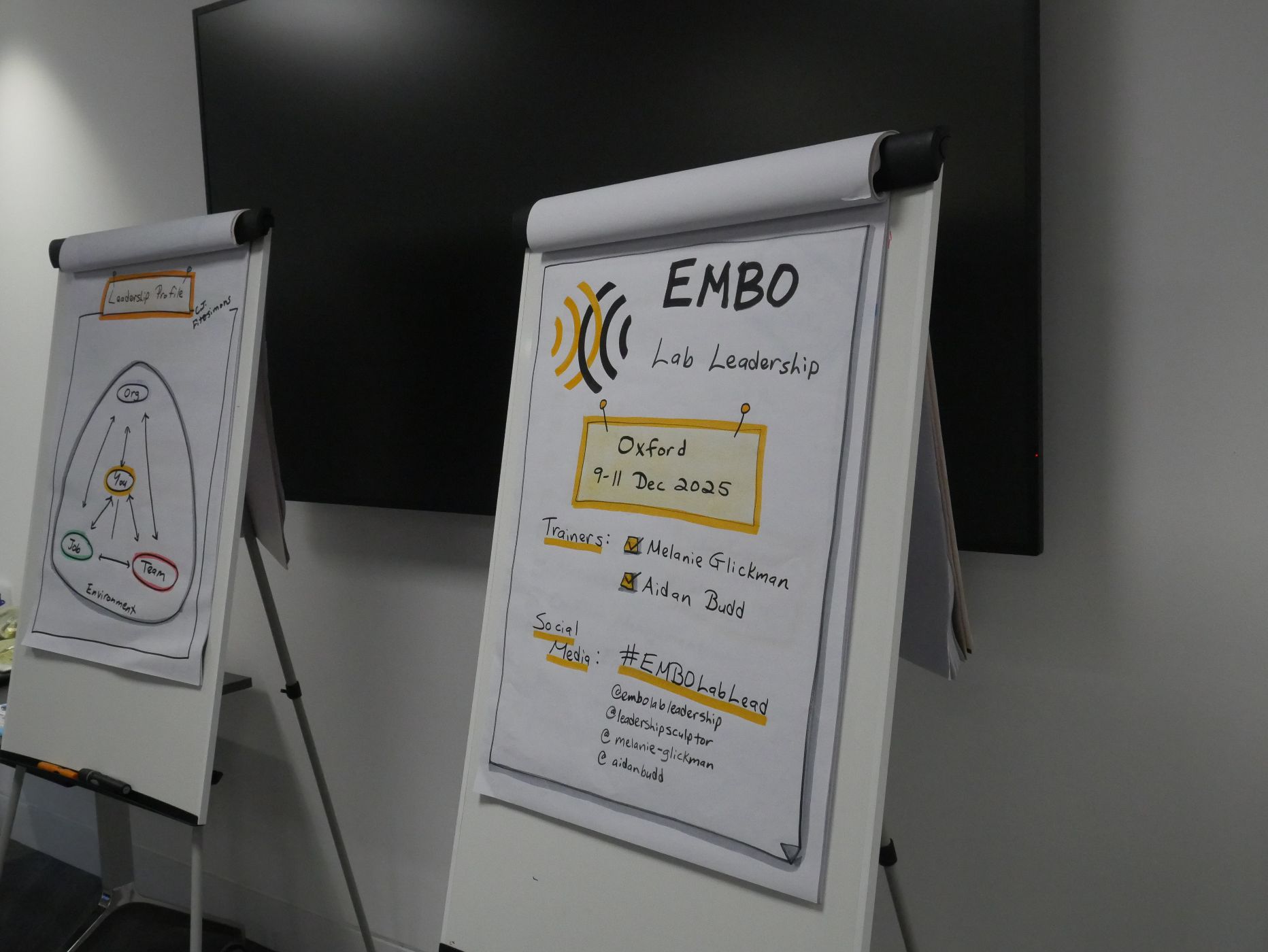
In December, the Institute of Developmental & Regenerative Medicine (IDRM), in collaboration with the Nuffield Department of Medicine (NDM) and the Dunn School of Pathology, hosted the EMBO Laboratory Leadership Course for Early Career Researchers as part of our commitment to fostering the professional development of early career researchers and supporting their transition to independence.
The EMBO course is designed for scientists preparing to lead research groups or teams and addresses a core gap in traditional scientific training. The course supports participants in defining their own leadership approach, grounded in personal values, awareness of others, and the realities of academic research.
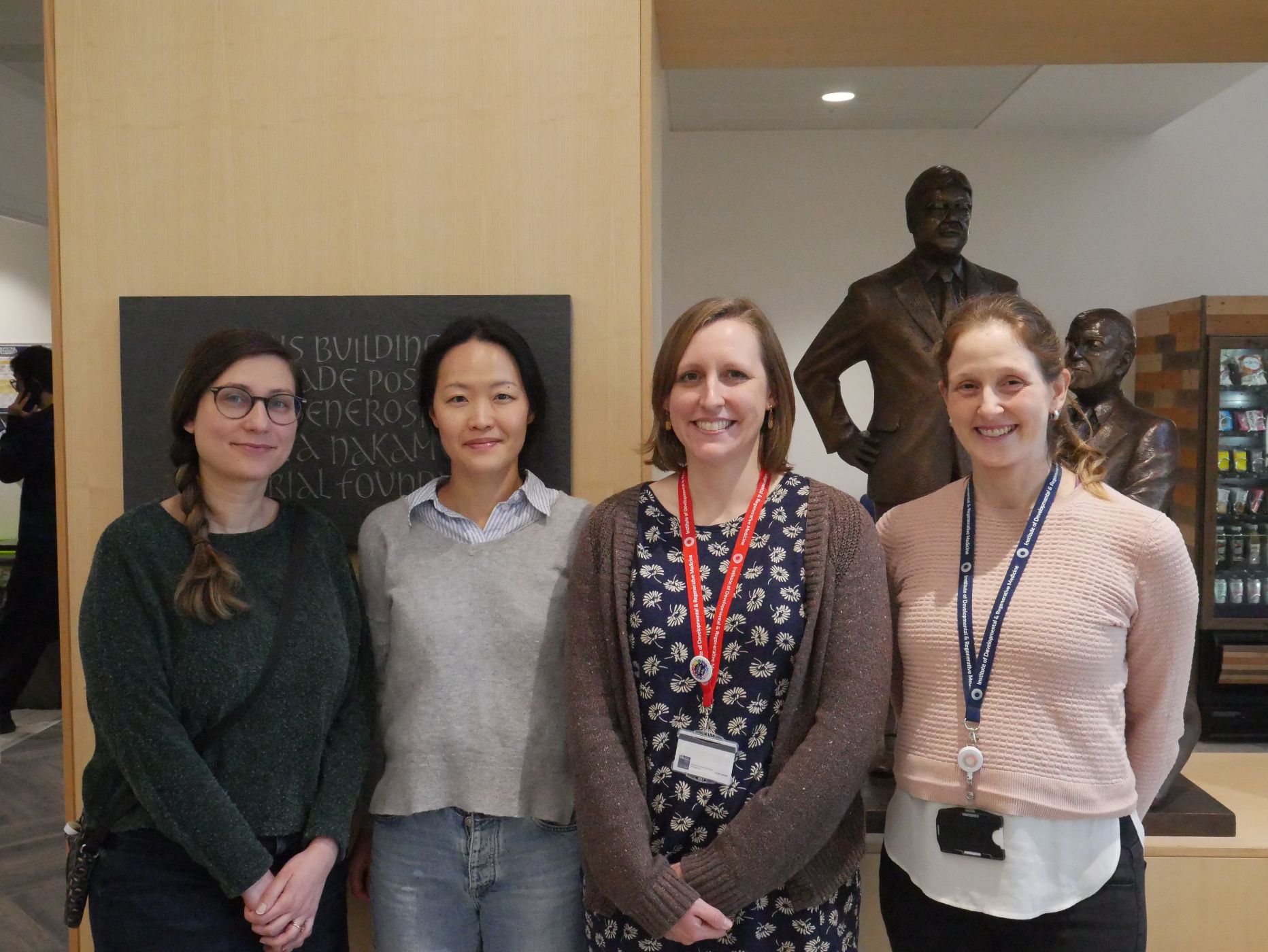
We spoke to four researchers who attended the course about what motivated them to apply and how it shaped their thinking about leadership.
For Dr Sophie Payne, postdoctoral researcher at the IDRM, the course has come at a time when she is hoping to establish her own research group.
Dr Payne said: "I think the course emphasised how much of leadership is about choice, rather than following a particular set of rules. We can choose which values are most important to us and try to demonstrate them in our own behaviour and interactions."
To help participants develop their own leadership style, the EMBO course uses practical tools from psychology, behavioural science, and the business world to underpin sessions on communication, conflict management, and team development.
Dr Susann Bruche, postdoctoral research scientist at the IDRM, says the three-day workshop introduced concepts, such as the 'Ego States' patterns of communication, which influence everyday interactions between team members.
She said: "I was also struck to learn that conflicts can be categorised into 9 stages and that as a team lead, one only has a chance to interfere in the early 3 stages before things escalate and need external intervention."
Dr Andia Redpath, a research fellow preparing to supervise research staff and students in the future, described the course as an important step in understanding the responsibilities that come with leadership.
She said, "What stood out was how our everyday language or questions should be changed when moving into a leadership position. Understanding your own and others' psychology is important in exercising equity and providing much-needed support that’s tailored to the individual to run a laboratory group fairly and effectively."
Apart from understanding the core values of their own leadership and the psychology of team dynamics, course participants were guided to think about their communication in a more strategic way.
Dr Inhye Park, research fellow in the transition stage of her career, said, "Whilst researchers have a focus on lab work and a drive for results, the progress towards independence requires essential skills to run an efficient team. This includes delegation of work and empowering team members. I would like to apply this tool and make my own processes when I have my own team."
For many attendees, the course offered an opportunity to step back from day-to-day research and reflect on how they want to lead. The impact of the course will continue to shape leadership practices as they move towards independence.