

News
How one family is driving research efforts for Rare Disease treatments at the IDRM
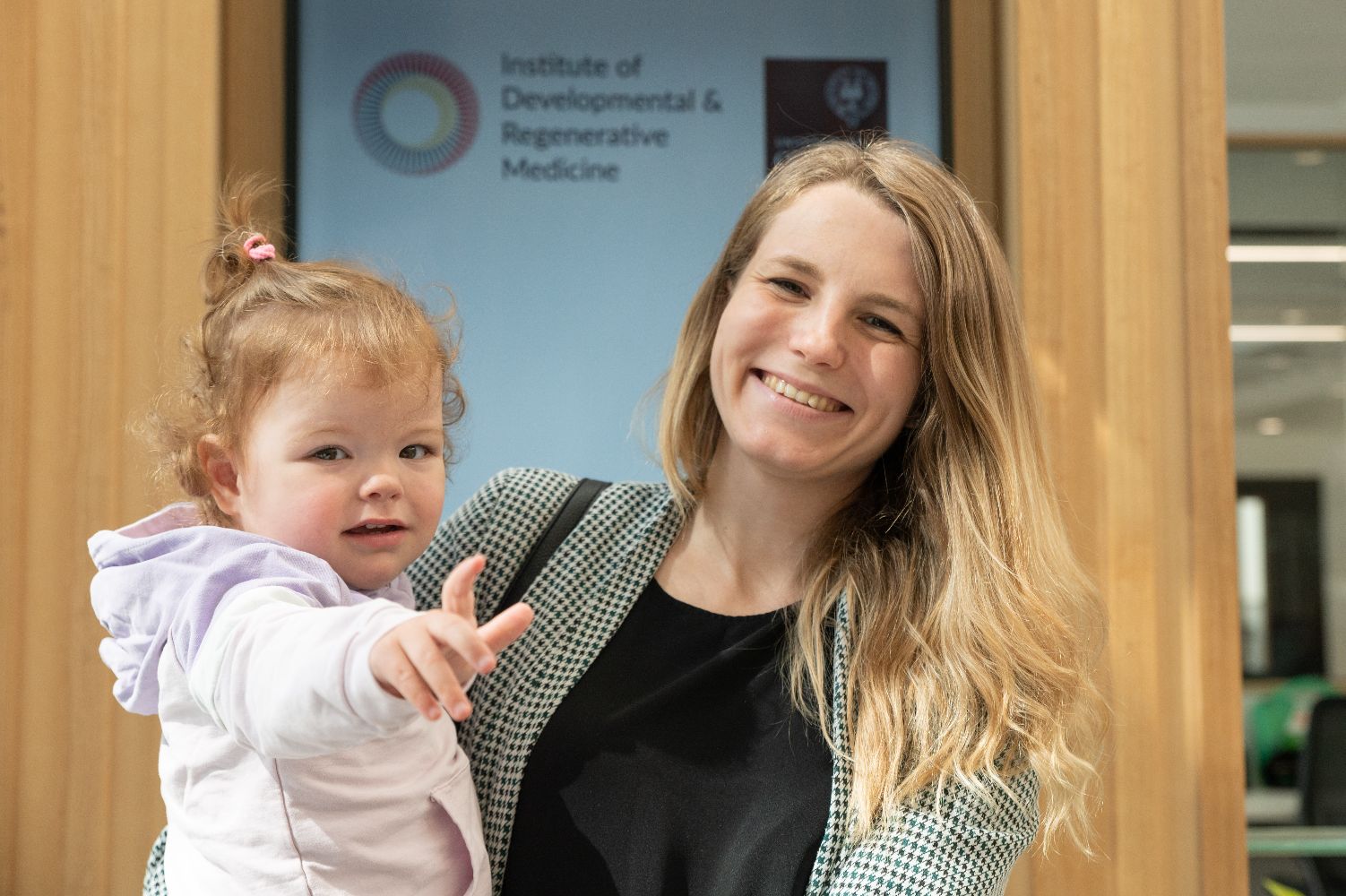
A family affected by a rare genetic syndrome called PACS2 recently visited Associate Prof Carlo Rinaldi and his team in the IDRM. Piotr and Malgorzata Kośla have had a remarkable and challenging journey as one of their twin daughters, Lena, was diagnosed at a young age with an ultrarare mutation in the PACS2 gene, which presents challenges to her chances of living her life independently. There are only around 100 people globally diagnosed with this disorder, four of these in the UK. The condition is characterised by seizures and can include developmental delay and intellectual disability.
Lena’s parents found that there was no patient foundation to represent their family and drive research efforts to find a cure, and so established the PACS2 Research Foundation. It offers support and information for affected families, and funds research globally into the syndrome with wide-ranging and cutting-edge approaches.
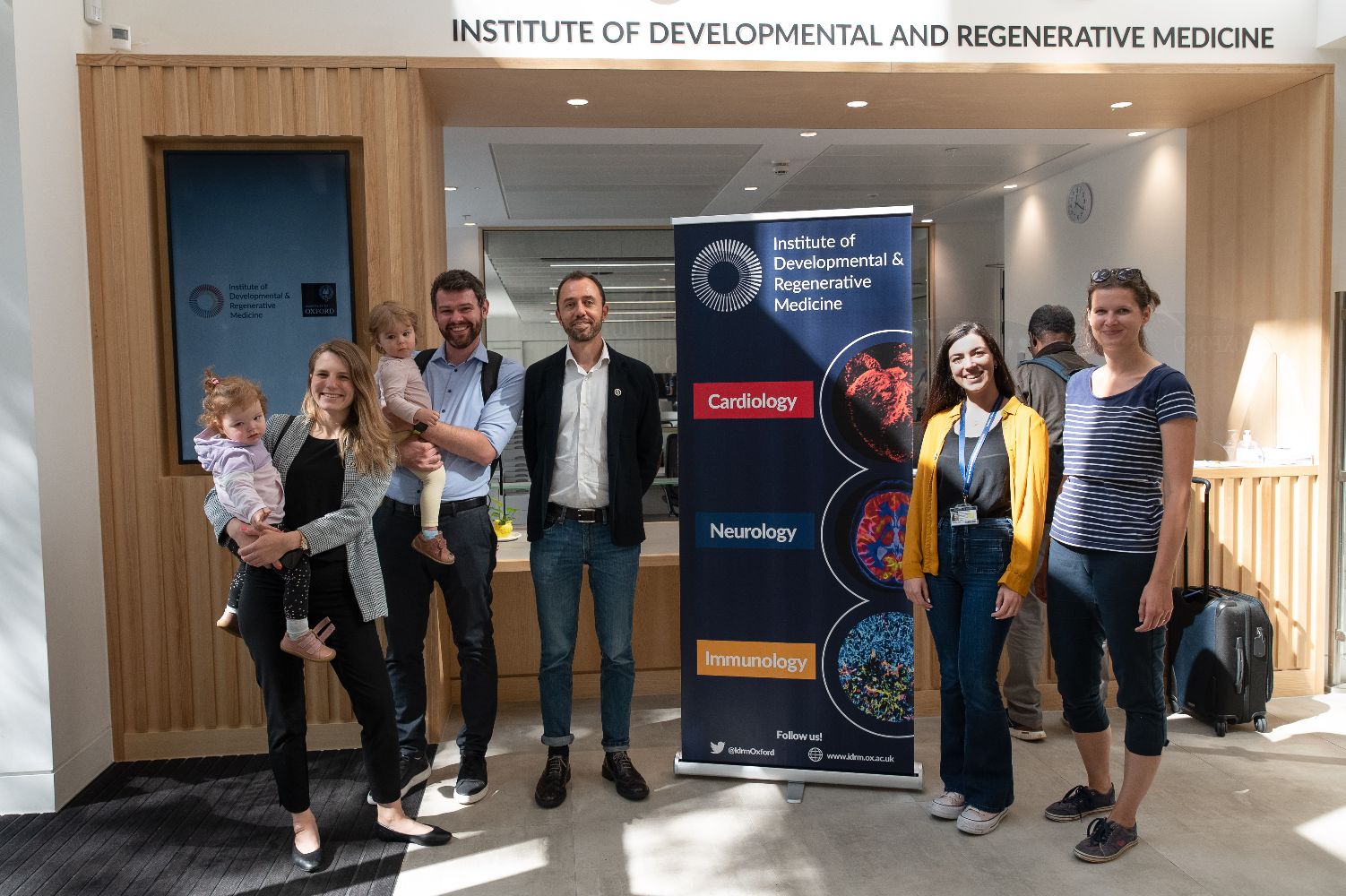
The Foundation funds research in the Rinaldi group into using RNA editing, a powerful, emerging tool in therapeutics development to correct disease-causing mutations. In this case the aim would be to restore the function of the protein Phosphofurin Acidic Cluster Sorting Protein 2 (PACS2), a multifunctional membrane protein. Making progress with this condition will bring hope for therapy for Lena and drive the development of therapeutic approaches for the thousands of other genetic conditions that affect millions of people globally. The Oxford-Harrington Rare Disease Centre, based in the Department of Paediatrics, aims to accelerate the delivery of such treatments and works with patient foundations and other partners to achieve this goal.