

News
IDRM researchers uncover key role for previously overlooked cells in shaping the thymus
A new paper from Holländer Group researchers in collaboration with the Nuffield Department of Clinical Neurosciences has brought a fresh perspective to our understanding of the developmental dynamics of the neural crest–mesenchymal axis in creating the thymic microenvironment. In particular, they have shown that fibroblasts in the thymus, often considered simply as dull “structural” cells, are much more complex than previously thought.
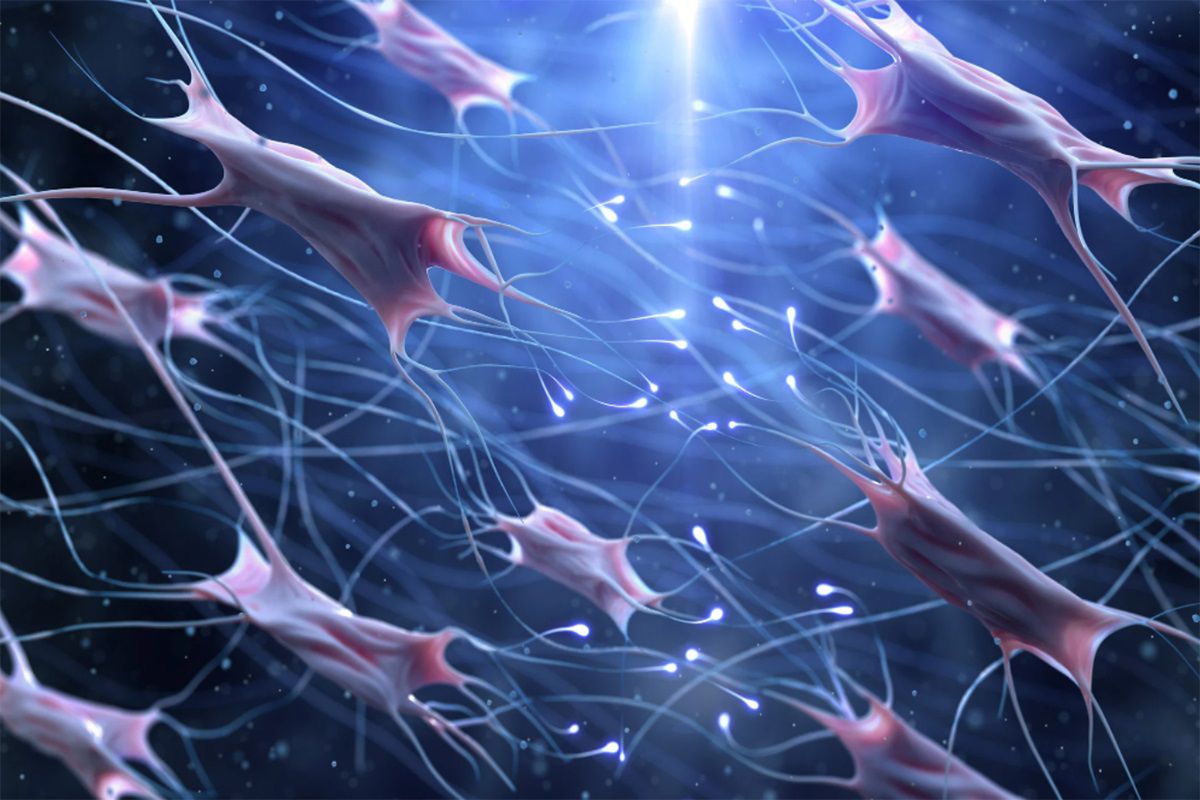
The thymus is a small organ at the top of the chest, in which T cells develop. These developing T cells are exposed to practically all of the possible proteins that they may encounter in the body. This exposure ensures that T cells recognizing the body’s own antigens are deleted, as they constitute a potential threat and may cause autoimmunity, whereas functionally competent T cells that do not bind any of the self-proteins survive. Traditionally, most attention has been paid to the thymic epithelial cells, which are primarily responsible for this process. However, the thymus could not form without a network of fibroblast cells to form this critical support structure. Until recently those fibroblasts were relegated to supporting players within the thymus.
The new study from the Holländer lab led by Adam Handel and Stanley Cheuk uses single cell sequencing approaches to focus on those frequently overlooked fibroblasts cell-by-cell across mouse and human development. Far from being dull structural cells, fibroblasts in the thymus are now appreciated to have a wide variety of features that allow them to be classified into separate subtypes. Moreover, the proportion of these fibroblast subtypes within the thymus changes dramatically over the ageing process. This suggests that dynamic changes in fibroblast subtypes are important in shaping the thymus as it develops.