News
Career milestones: a leap from student to Doctor of Philosophy
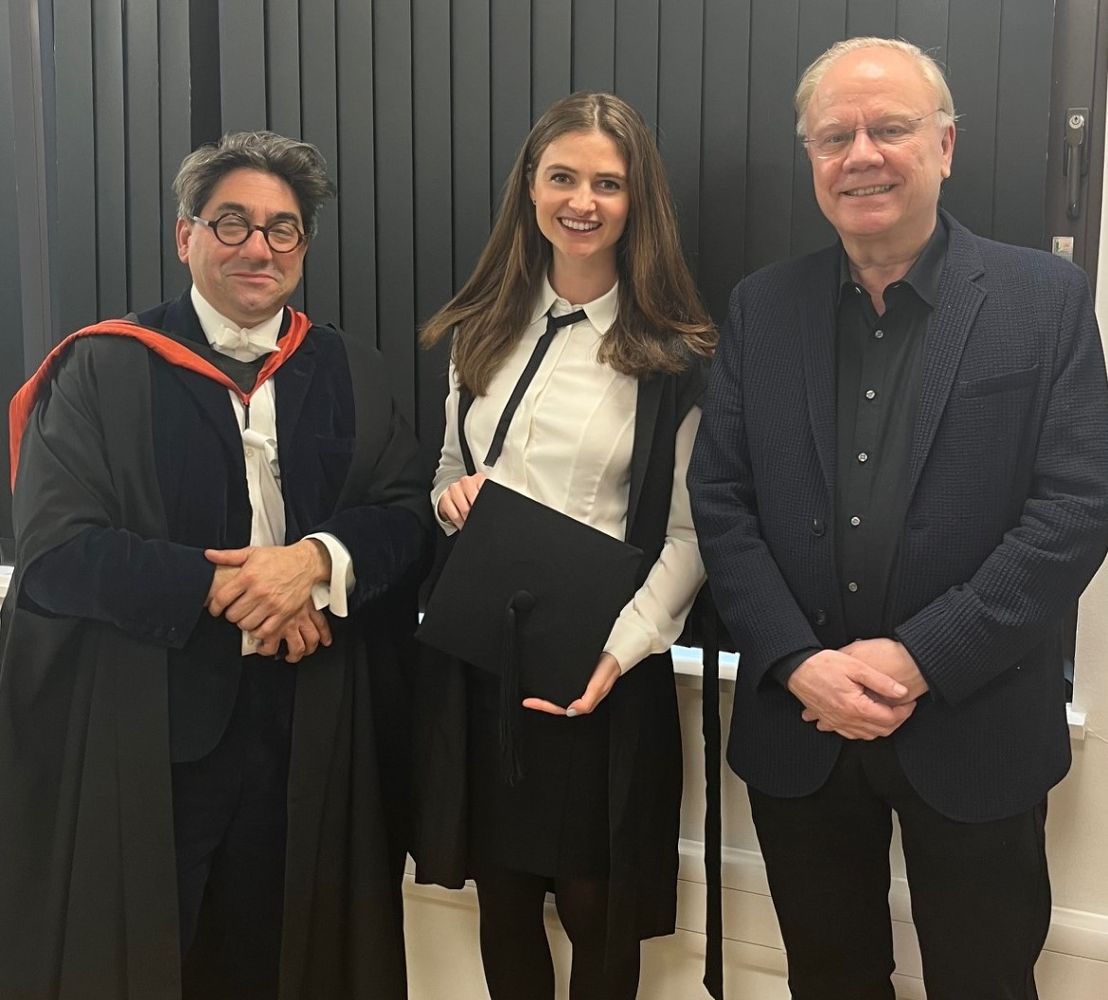
This leap year’s February 29th was particularly special for one IDRM researcher. Dr Judith Sayers successfully defended her DPhil thesis 'Regeneration of the Cardiac Conduction System', at the John Radcliffe Hospital to examiners Professor Thomas Braun (Max Planck Institute for Heart and Lung Research) and Professor Robin Choudhury (Radcliffe Department of Medicine). Her project, funded by the MRC and an Oxford Graduate Medical Sciences Scholarship, with additional support from the Wellcome Trust, was carried out under the supervision of Professor Paul Riley and her findings will support the development of treatments for heart attack patients.
Heart attacks are one of the leading global causes of death and occur when a coronary artery is blocked, triggering cell death and loss of a large portion of heart muscle. Damaged muscle cells are replaced by non-contractile scar tissue which compromises heart function. The heart’s cycles of contraction and relaxation are also affected and result in irregular and unsynchronized heartbeats which increases the risk of mortality for heart attack survivors. However, little is known about how heart attacks impact the cardiac conduction system, the dedicated electrical network which controls the heart’s rhythmic contraction.
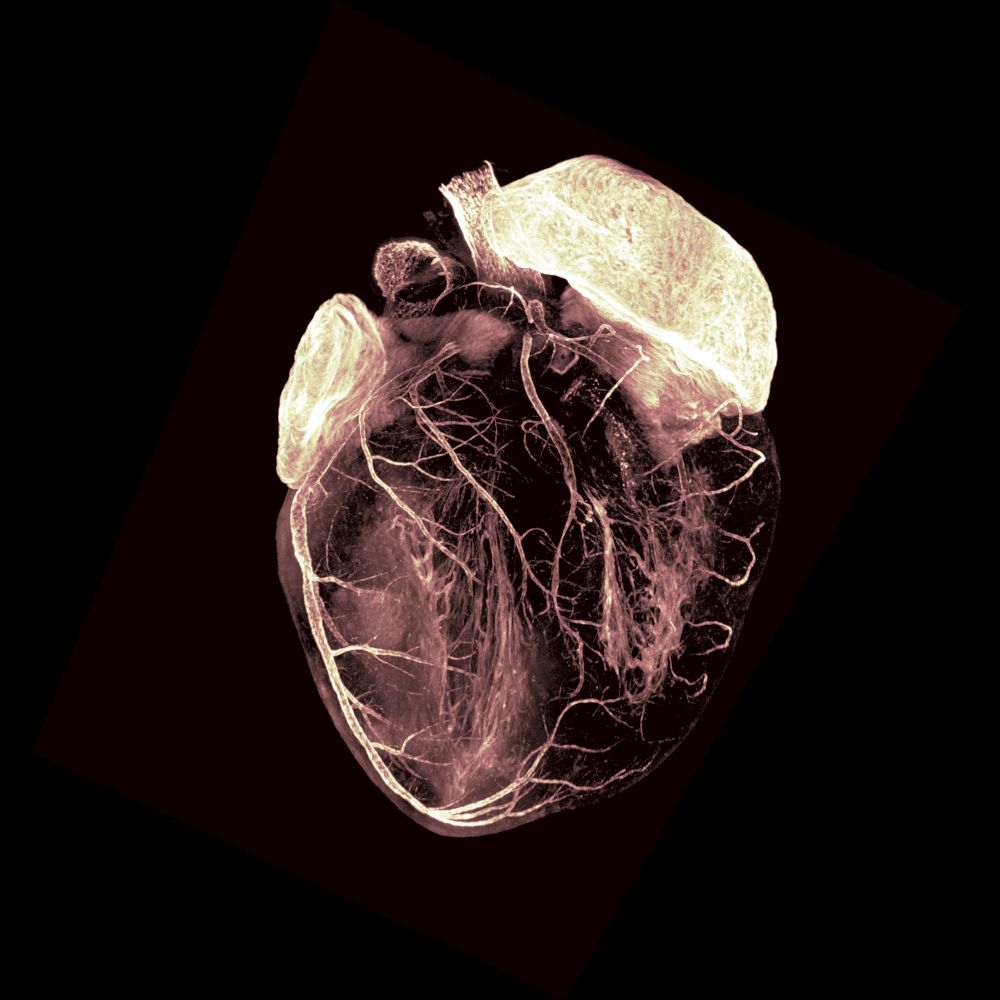
Dr Sayers’ DPhil research focused on understanding how the cardiac conduction system is damaged after a heart attack, and whether it is capable of regeneration to restore heart rhythm. During her project she developed novel advanced imaging and analysis tools to compare the cardiac conduction system before and after heart attack, employed molecular gene expression analyses of the injured cardiac conduction system, and combined mathematical modelling and physiological approaches to understand how her findings at the molecular level could impact clinical treatment of conduction disease. Her research showed that it is possible for the cardiac conduction system to regenerate and repair heart tissue at the early stages of mammalian development, and hopes that it will support future precise drug targeting to enable synchronous and rhythmic cardiac contraction in patients after heart attack.
Dr Sayers is currently working as a postdoctoral researcher in the Riley group and preparing her research for publication, in addition to her role as a Stipendiary Lecturer teaching biochemistry to undergraduate students at University College, Oxford. She will be moving on to join the Boston Consulting Group (BCG) in May where she is excited to apply her expertise within their healthcare and life sciences practices. Congratulations to Dr Sayers, we wish her all the best with the next steps of her career.