

Thomas Roberts
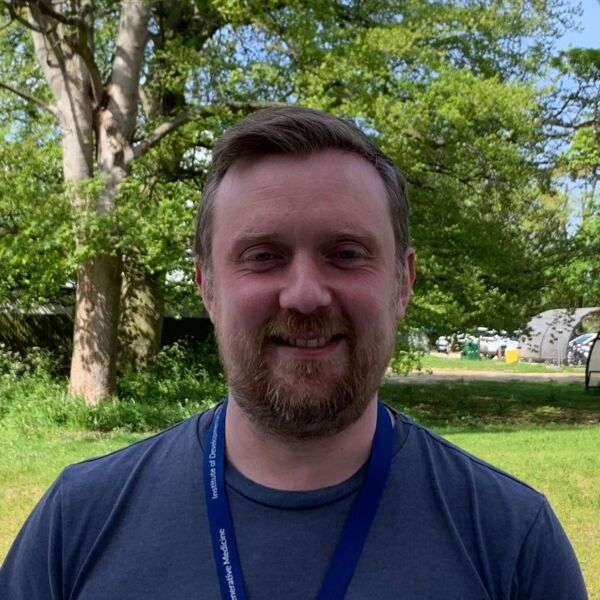
Meet Thomas Roberts, research fellow and group leader at the IDRM. His postdoctoral training in the US involved investigations of long non-coding RNAs in the context of B-cell lymphoma and epigenetic regulation of myogenic differentiation. He was recently appointed as PI in the MDUK Oxford Neuromuscular Centre.
Can you give a brief overview of your career trajectory so far?
I studied Biochemistry at Oxford, where I had my first introduction to gene therapy, working in the Cystic Fibrosis group with Profs Deborah Gill and Stephen Hyde. I then undertook my doctoral studies with Prof Matthew Wood in the Department of Physiology, Anatomy, and Genetics, where I studied serum microRNA biomarkers of Duchenne muscular dystrophy and therapeutic gene silencing approaches. I subsequently moved to the US and undertook six years of postdoctoral training at the Scripps Research Institute (Profs Kevin Morris and Marco Weinberg) and Sanford Burnham Prebys Medical Discovery Institute (Prof Lorenzo Puri). My postdoctoral work involved investigations of long non-coding RNAs in the context B-cell lymphoma and epigenetic regulation of myogenic differentiation. During this time, I also maintained close ties with Oxford, co-supervising several DPhil students. I returned to Oxford fully in 2019, becoming a senior research scientist in the Department of Paediatrics, and then later a research fellow and group leader at the IDRM. I was recently appointed to be PI in the MDUK Oxford Neuromuscular Centre.
What is your research focus?
The theme of my group is ‘RNA Medicine’ and covers the areas of RNA-based and RNA-targeting therapeutics (e.g. oligonucleotides and gene editing), RNA biomarkers (especially extracellular microRNAs), and gene expression changes associated with disease (with a particular interest in non-coding RNA). Specific areas of current investigation include the targeting of regulatory elements for therapeutic gene upregulation, myonuclear domain-restricted gene expression, the role of nuclear microRNAs in myogenic differentiation, delivery of gene and oligonucleotide therapies to skeletal/cardiac muscle, and the characterisation of novel genes involved in myopathology.
What has been your highlight this past year at the IDRM?
During the lockdown period, a large amount of my time was taken up with raising investment for a biotech spin-out company, which aims to commercialise findings from my team. After a long journey, the company, Orfonyx Bio, was incorporated and is now operating at the Oxford BioEscalator. This process has been very rewarding, and I have learned much about the interface between academia and industry and how treatments conceived in university labs can be translated into therapies for patients.
How have you contributed to IDRM life?
I very much enjoyed the opportunity to present some of my work at the Neurology Floor ‘get to know each other’ day, which led to some interesting discussions. I was also pleased to host a talk by my colleague Prof Yoshi Aoki at the IDRM as part of the MDUK Oxford Neuromuscular Centre seminar series. The IDRM presents a unique environment that enables cross-collaboration between researchers across the institute's research themes. I am excited to see some of these collaborations develop in the very near future.
What do you look forward to most this year?
I am hoping that several of my long-running, multi-year projects will reach a conclusion in the coming year. I’m excited to be able to report some exciting findings from this work and hopefully generate some interesting publications.
What do you do outside of the lab?
I enjoy running, boardgames, and playing music, especially the drums – which is always great stress relief! I also love watching movies, especially science fiction films from the 80s and 90s.