

David Seoane-Miraz
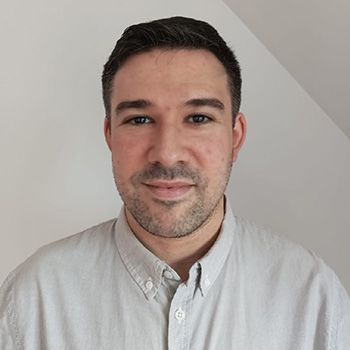
Meet David Seoane-Miraz, Postdoctoral Research Scientist in the Wood Group, whose research focuses on the autosomal disease myotonic dystrophy 1, an inherited type of muscular dystrophy that affects the muscles and other body systems, such as the heart, eyes, endocrine system, and central nervous system.
What is your particular research focus?
I focus on developing new treatments to correct myotonic dystrophy type 1 phenotype. Our lab uses antisense oligonucleotides linked to short peptides to target toxic DMPK mRNA, which sequesters MBNL1 splicing factor and causes, consequently, myotonic dystrophy type 1 disorder.
What has been your highlight this past year?
During the last few months in the group, I was responsible for training two new students to be able to complete their degree projects. It was my first experience taking care of a small research project and guiding these students through some scientific issues. It was an amazing experience and allowed me to realise that teaching and training future researchers is an activity I really value.
What do you look forward to achieving this year?
Since I joined Professor Matthew Wood's group, I have been involved in several projects, especially related to developing and testing different compounds to treat myotonic dystrophy type 1. Several of these compounds have produced promising results to treat this disease in mouse models. Now we have collected enough data to have a wide perspective of how effective they are, I expect to publish part of these results in a remarkable scientific journal. These results could lead to my first presenting author publication since I arrived at Oxford University, so I am especially excited.
What do you do outside of the lab?
Playing board games are my favourite way to enjoy spending my free time. I have a quite large collection of them that I love to play together with my friends. I have a special weakness for deduction games and dungeon crawlers. Any board game that involves a mental challenge to complete it must be in my collection.